
Introduction
The term "lighting designer" is often misunderstood. Many assume the role is simply about picking attractive fixtures, but the reality is far more technical and far more integrated into the architectural process.
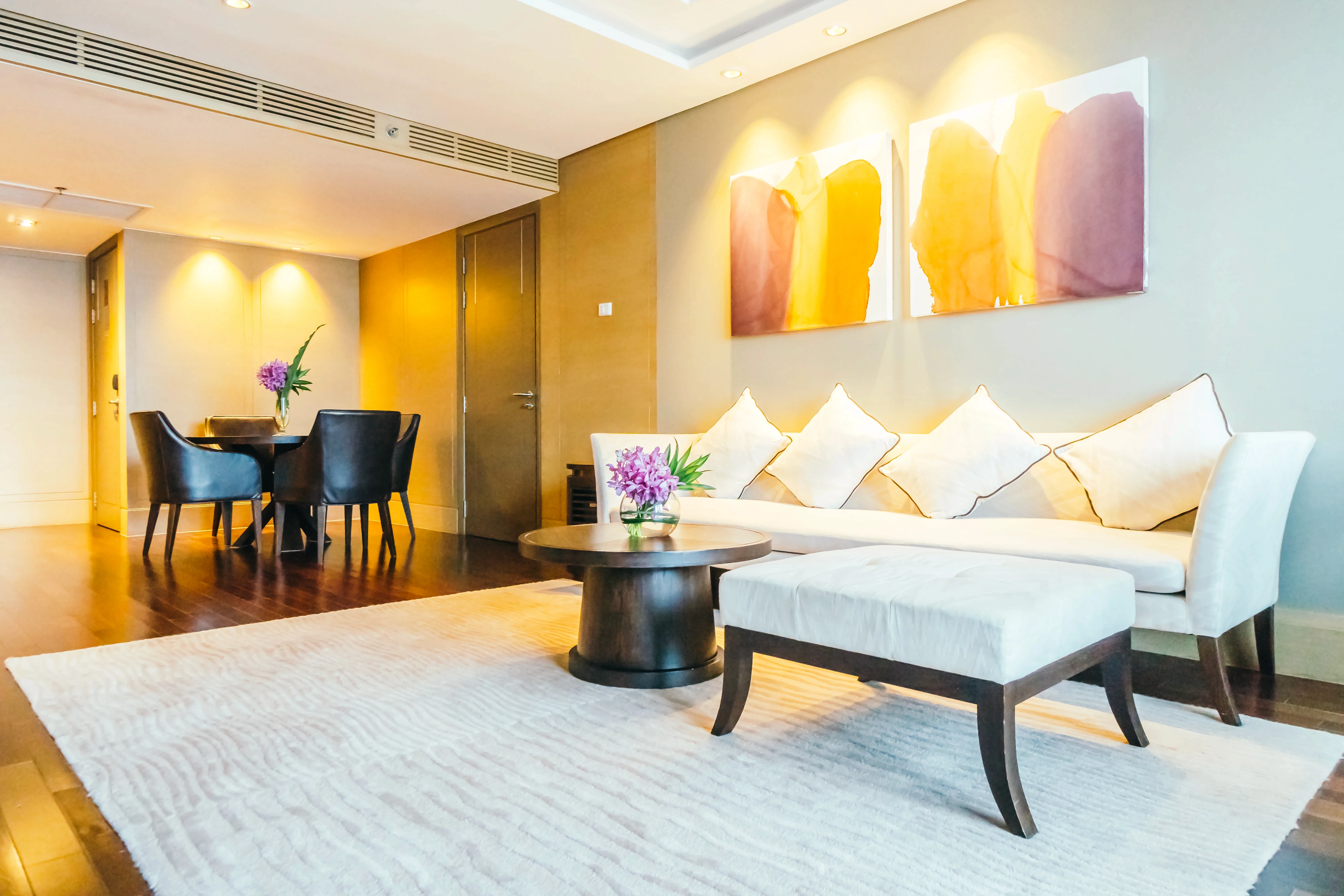
A lighting designer shapes how a space feels, functions, and performs across every hour of the day, balancing aesthetics with engineering, energy use, and human comfort.
Core Responsibilities
Lighting designers analyze how natural and artificial light will interact within a space, then develop layered lighting plans that support both function and mood.
They coordinate closely with architects, interior designers, and electrical engineers to ensure lighting placement aligns with structural and mechanical constraints from the earliest design stages.
What the Work Actually Involves
Concept Development: Translating a client's vision into a lighting strategy that supports the architecture and interior design.
Fixture Specification: Selecting luminaires based on beam angle, color temperature, efficiency, and long-term maintenance needs.
Technical Coordination: Producing detailed layouts, control schedules, and documentation that contractors can build from.
Skills a Good Lighting Designer Brings
An understanding of how light affects perception and mood
Technical fluency in photometrics and control systems
Close collaboration with architects from the earliest stages
Awareness of energy efficiency and sustainability standards
Attention to glare, comfort, and long-term usability
Conclusion
A lighting designer does far more than choose fixtures—they shape how a space is experienced. Understanding this role helps clients and architects bring the right expertise into a project at the right time.